Transforming Expertise into Scalable Success
Feb 02, 2026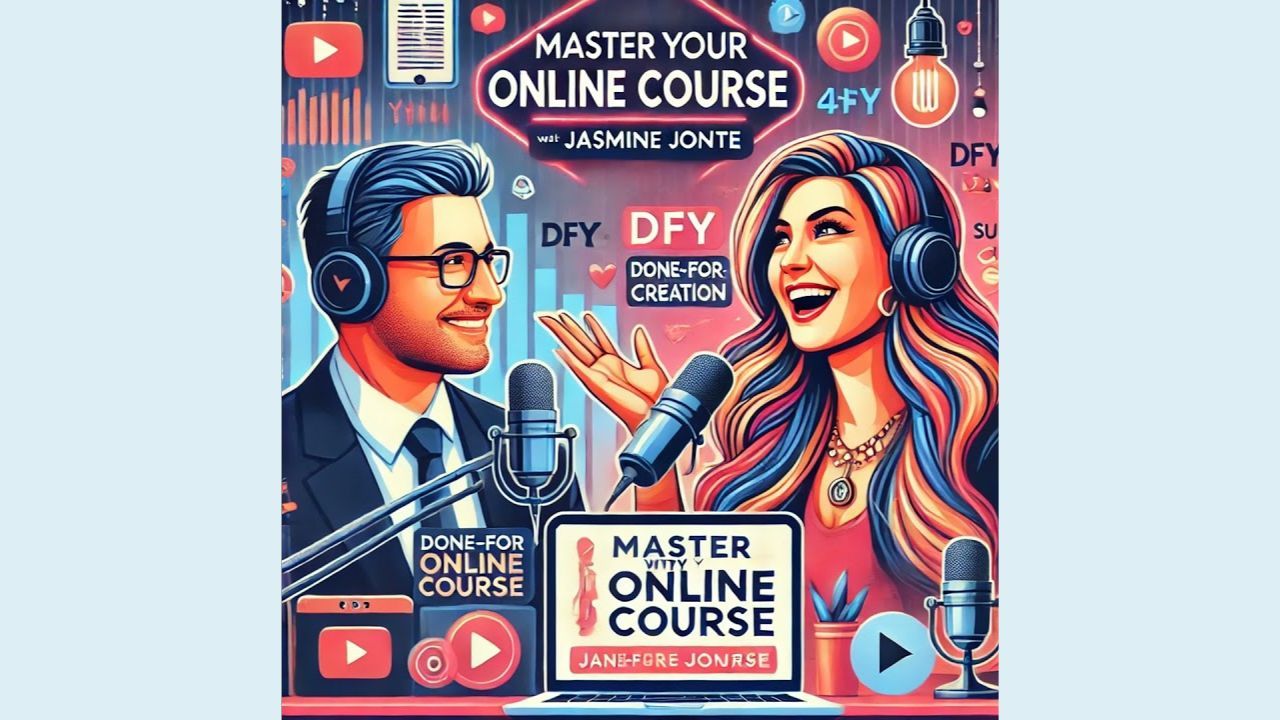
During the pandemic, launching a course was almost too easy — audiences were brand new to online learning and couldn't yet tell a good program from a mediocre one. Jasmine Jonte, founder of Cre8tion, told Dr. Christopher Loo on his podcast that those days are firmly over — and what's replaced them is actually a better opportunity for creators willing to do it right. Let's dig in. 🎯
Q: How has course creation actually changed since the pandemic?
A: The fundamental shift, according to Jasmine, isn't about creators — it's about audience sophistication. During the pandemic, huge numbers of people were having their first online learning experience simultaneously, which meant they genuinely couldn't distinguish a well-designed program from a thrown-together one. That grace period is gone. Students today know the difference, and they're not quiet about it either way — good or bad.
Her prediction: creators who commit to genuinely improving their instructional design over the next several years will see real, compounding results, while those relying on the older "just get something online" approach will struggle increasingly. Right now is still a relatively accessible window — in a few more years, the bar set by audience expectations will make it meaningfully harder for a new, unpolished entrant to break through.
Q: What's the most common content mistake you see course creators make?
A: Content that isn't specific or actionable enough — and Jasmine draws directly from her audience's own expertise to make the point (this episode's host works with physicians). A doctor sitting across from a patient can look at symptoms, ask questions, and pinpoint a root cause in real time. But without that 1:1 dynamic, how do you teach someone to essentially self-diagnose? That's the exact problem instructional design solves.
Her specific example of what "actionable" really means: instead of telling someone to "go get your podcasting equipment," the properly actionable version is "buy these three specific pieces of equipment — click the links below and order them in the next five minutes." Crisp, specific, with a built-in definition of done. Vague direction is exactly where students quietly give up.
Q: When does a community actually add value to a course, and when is it just a distraction?
A: It depends entirely on two things: your ideal client, and the nature of the transformation you're delivering. Some audiences genuinely want community and will join a program partly for that connection. Others — Jasmine is blunt about this — don't care about community at all; they want to get in, get the result, and get out.
Her rule of thumb: long-term transformations tend to benefit from community; short, binge-and-done transformations often don't — a community wrapped around something quick and self-contained can feel like an unnecessary distraction rather than an asset.
✅ If you do build a community, her favorite implementation tactic: activate it at specific, intentional points within the training content, rather than just mentioning it exists once and hoping people find it. Her example: after a lesson on building an ideal listener profile, direct students explicitly — "post this in the community, ask for feedback, and find three people whose profile matches yours to interview." The community becomes woven into the actual learning process, not a separate, easily-ignored feature.
Q: Do you need a massive audience for a course business to actually work?
A: No — and Jasmine points to the "1,000 True Fans" concept as a genuinely useful reframe here. You don't need Tony Robbins-level reach; you need roughly 1,000 people who've been genuinely impacted by your work and are willing to speak positively about it. That's a real, achievable target for far more creators than the "go viral or bust" mindset suggests — and most people are likely closer to that number than they think.
Q: What does the actual course-building process with your team look like, end to end?
A: Jasmine's team handles the full spectrum: evaluating any existing content a client already has (a book, blog, podcast — many clients arrive with something to repurpose), writing every video script, handling graphic design, video production and editing, and building the final program into the client's platform of choice. The client's role is largely limited to being interviewed, reviewing what comes back, and recording the videos.
One of her favorite real examples: a fractional CFO running both a bookkeeping agency and a tax/CPA practice needed training on specific tax strategies. Jasmine's team built it once — and that single program now gets used four different ways: sold directly to individual clients, used to train her incoming team members, used to help her existing 1:1 clients implement the strategy more easily, and functioning as a standing resource she no longer has to explain from scratch every time. One build, multiple ongoing uses.
Q: How much does this actually cost?
A: It varies significantly by scope. Jasmine's pricing starts around $5,000 for smaller engagements (like a program outline and mapping session) and scales up from there based on total program length, video production needs, and whether the client has their own video team.
⚠️ Worth noting: she actively pushes back on scope creep. When clients come in wanting something like a 15-hour course, her honest response is direct: "Does it really need to be 15 hours? Nobody actually wants to watch a 15-hour course." She'll often help clients right-size their program down to something more focused (and more likely to actually get finished by students) rather than simply building whatever length the client originally requested.
Q: Is a course actually passive income, or is that overstated?
A: Overstated, and Jasmine draws a clear distinction to make the point. True passive income, in her framing, is something like a Vanguard index fund — you check it once a year and collect dividends. A rental property with a long-term tenant is semi-passive — mostly hands-off, with occasional maintenance. A course, by comparison, requires ongoing content, ad spend, or SEO work to keep generating sales — someone is actively doing that work, even if it's not the creator personally.
Her honest read on why so many people abandon course businesses: launching is genuinely hard, and a lot of creators experience real "launch fatigue" — the effort of the initial launch burns them out, and they don't follow through on the sustained activity that actually makes a course business work long-term. That said, she's clear this isn't a reason to avoid the model — she has clients (including lawyers and doctors) running genuinely multi-million-dollar course businesses. It's absolutely possible — it just requires committing to real digital entrepreneurship, not a "set it and forget it" mindset.
The Bottom Line
The window for launching a mediocre course and having it succeed on novelty alone has closed — today's audiences are sophisticated enough to tell the difference, which means the creators who invest in real instructional design now will be the ones who benefit most over the next several years. Build content that's specifically actionable (not just generally helpful), use community intentionally rather than as a default feature, and go in with realistic expectations about the ongoing work "passive" income actually requires.
Curious what your own expertise could look like as a properly built course? 🚀 Head to cre8tion.co to talk through your idea.
Enjoyed this conversation? Look up more episodes from Dr. Christopher Loo's podcast for real talk on digital entrepreneurship and building a business online.
Join Thousands of Course Creators + Get FREE Weekly Tips in your Inbox
The folks on my list get the goods, by which I mean... insider scoop on the biz, personal life updates, and first chances to join me in new opps. You're in good company. No spam, ever.
We hate SPAM. We will never sell your information, for any reason.
