
What Solo Travel Can Teach You About Running Your Business
Feb 01, 2026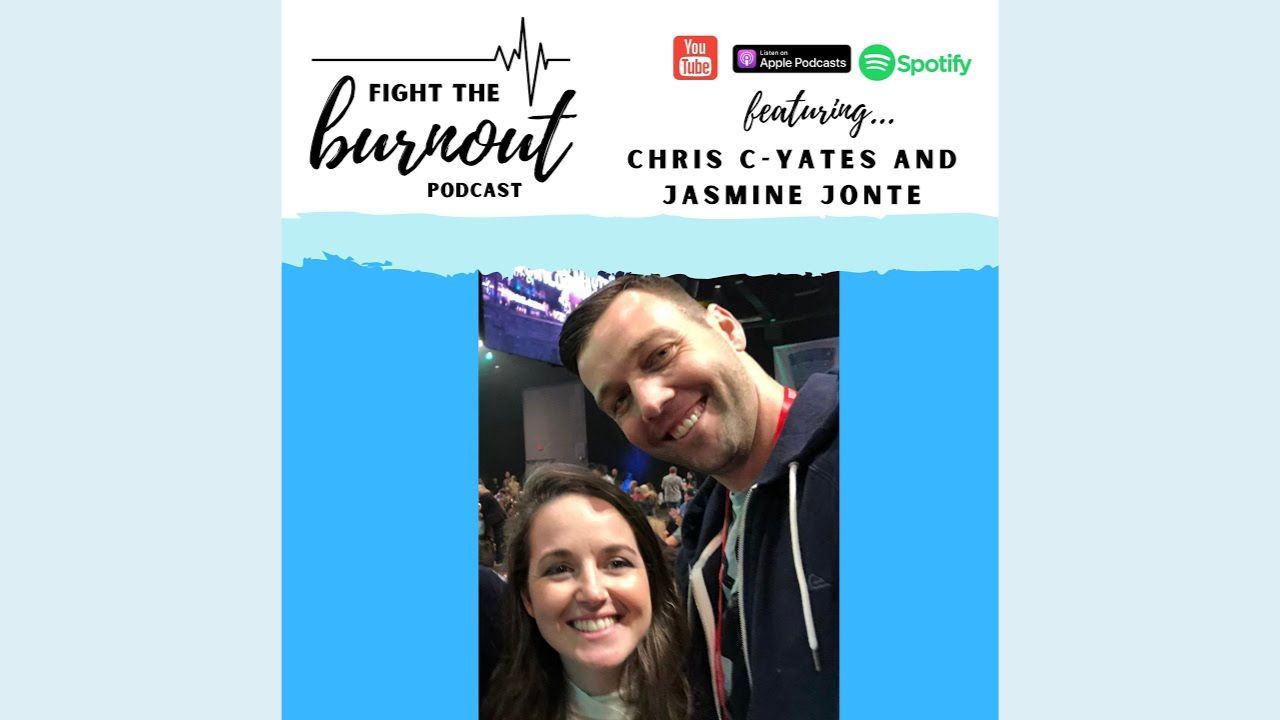
This one's a departure from our usual course-creation deep dives — but if you're building a business (a course, an agency, a coaching practice, anything), burnout is probably closer to home than you'd like to admit. Jasmine Jonte, founder of Cre8tion, joined Chris Yates on the Fight the Burnout podcast to talk about something that doesn't get discussed enough in entrepreneurship circles: solo travel as a genuine tool for reconnecting with yourself before burnout wins. Here's the conversation. 🎯
Q: What made your first solo trip so different from any other trip you'd taken?
A: Jasmine calls it her "soul adventure" — a three-week solo trip up the California coast, taken shortly after leaving her teaching career and starting to build a business. She'd changed nearly everything about her external circumstances — new career, new city, ended a relationship — and still found herself emotionally struggling, which was the real trigger for the trip.
What made it different wasn't the destination — it was going completely alone, with real intention behind it, rather than just as a vacation. She named the trip before she even left, with the explicit goal of rediscovering and reinventing herself. The extended time alone stripped away the influence of family, friends, and daily routine long enough for her actual patterns and preferences to surface clearly.
Q: What did that kind of extended solo time actually reveal?
A: Jasmine's honest answer: she learned she genuinely likes silence, likes her own company, and — maybe most importantly — likes herself. That might sound simple, but for someone who'd spent years in a high-pressure teaching environment (in the lowest-performing school in the country, working brutal hours without real tools to process the trauma that came with it), it was a genuinely new discovery.
She also noticed something concrete and useful: when she returned to her normal environment and slipped back into an old pattern, she could immediately recognize it as unusual — something she wouldn't have been able to spot without the contrast of having lived differently, even briefly.
Q: What would you say to someone who insists they could never travel alone?
A: Ask them why. Chris's approach as a coach — and one Jasmine agreed with — is to gently interrogate the actual fear rather than accept "I just can't" at face value. Most people, when actually asked, don't have a clear answer. The real question underneath the fear is usually: what pain am I actually avoiding, and am I more focused on that pain than on what might genuinely be waiting for me?
⚠️ A necessary caveat, especially relevant for women traveling alone: this isn't about ignoring real safety instincts. Jasmine is clear that being smart matters — trust your gut, know your surroundings, don't put yourself in genuinely reckless situations. But she also pushes back on a subtler fear that's easy to miss: often, what people are actually afraid of isn't the travel itself — it's being truly alone with themselves, without anyone else to lean on or distract them.
Q: What's the payoff on the other side of doing something that scares you like this?
A: A kind of confidence that's hard to shake, according to both Jasmine and Chris. When you deliberately face a fear — whether that's traveling alone, striking up a conversation with a stranger you'd normally avoid, or simply sitting with your own thoughts without distraction — and come out the other side okay, you build a form of self-trust that ripples outward into health, relationships, and business. Jasmine's framing: it's the difference between constantly needing outside validation and being able to look at yourself honestly and say, "that's okay, I love you anyway, and we're going to get through this."
Chris shared a parallel story from his own solo motorcycle trip — a moment at a gas station where his instinct (shaped by years in law enforcement) told him to avoid a stranger, and he deliberately chose to engage instead. The result: a genuine, human conversation that reshaped his default assumptions about people. The pattern in both stories is the same: facing a specific, uncomfortable moment head-on tends to unlock more than avoiding it ever could.
Q: Do you have to take a three-week trip to get any of this benefit?
A: No — and this might be the most practical takeaway for anyone reading this who runs a business and doesn't have three weeks to spare. Jasmine references a tip from author Elizabeth Gilbert (Eat, Pray, Love, Big Magic): simply take yourself out to breakfast alone once a week. It sounds small, but the point is the same — deliberately carving out time to be with yourself, without an agenda, on a regular basis.
Chris extended this into a broader reframe: don't wait for the once-a-year, two-week vacation to feel recharged. If something regularly "lights you up" — a solo coffee run, a walk, a short local trip — treat that as legitimate travel, and build it into your week or month as active burnout prevention, not as an occasional luxury.
Q: How does the language you use around rest and travel actually matter?
A: More than most people realize, according to Jasmine. Her closing point is worth sitting with: the meaning of a word like "vacation" is something you get to define for yourself. If vacation, to you, simply means permission to turn off and not feel guilty about it, then a weekend staycation or an intentional afternoon away from your inbox genuinely counts — you don't need a flight and a passport to access that same feeling. The intention behind how you use the word shapes the actual experience you have.
The Bottom Line
Solo travel — whether that's a three-week soul-searching trip or a weekly solo breakfast — isn't just a nice-to-have for entrepreneurs. It's a genuine tool for facing the fears and old patterns that quietly drive burnout, and for building the kind of self-trust that shows up everywhere else in your business and life. You don't need a grand gesture to start; you need intention, and a willingness to sit with yourself long enough to see what's actually there.
If burnout is something you're navigating while building your business, know you're not alone in that. 💛 Check out more from Chris Yates and Fight the Burnout for real conversations on preventing and recovering from it.
This episode was a bit different from our usual course-creation content — but if it resonated, we'd love to hear about it.
Join Thousands of Course Creators + Get FREE Weekly Tips in your Inbox
The folks on my list get the goods, by which I mean... insider scoop on the biz, personal life updates, and first chances to join me in new opps. You're in good company. No spam, ever.
We hate SPAM. We will never sell your information, for any reason.
